Is the Apple Card Savings Account Actually Worth It? A Complete Guide
When Apple announced it was launching a high-yield savings account, the financial world paid attention. It seemed like the tech giant was finally taking over everything, from the phone in your pocket to the money in your wallet. The headlines promised high interest rates and the sleek, easy-to-use design that Apple is famous for. But whenever a big tech company enters a boring industry like banking, it is important to look past the flashy marketing.
Is this account truly the best place for your money, or is it just another way to keep you locked inside the Apple universe? To answer that, we have to look at how it works, who is allowed to open one, and how it compares to the competition.
The Big Catch: It’s Not for Everyone
Before you get excited about earning interest, you have to understand the entry requirements. Unlike a regular bank like Chase or Wells Fargo, you cannot just walk into an Apple Store and open a savings account. In fact, you can’t open one at all unless you meet very specific criteria.
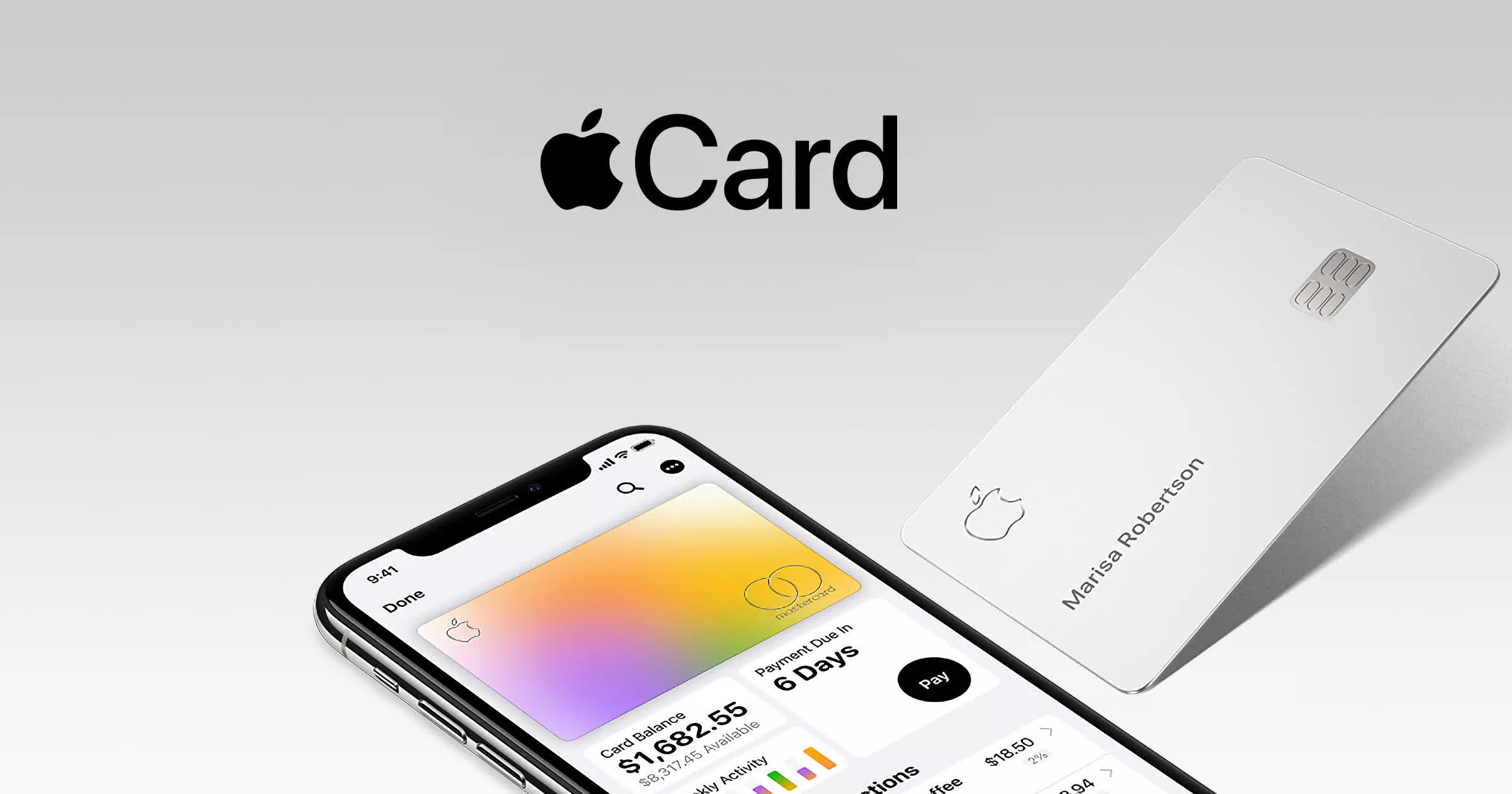
The Apple Savings account is what experts call a "walled garden" product. This means it is designed exclusively for people who are already deep inside the Apple ecosystem. To open the account, you must own an iPhone or iPad that can run the latest software. More importantly, you must apply for and be approved for the Apple Card, which is Apple’s credit card.
This is a major hurdle. If you do not have a credit history, or if your credit score is low, you might be rejected for the credit card. If you cannot get the credit card, you cannot get the savings account. Furthermore, if you are an Android user, this product is completely off-limits to you. This is distinct from almost every other bank in the world, where the type of phone you have doesn't determine if you can save money with them.
High-Yield vs. The Competition
The main selling point of this account is that it is a "High-Yield Savings Account," often abbreviated as HYSA. Traditional brick-and-mortar banks pay very little interest on your savings—often as low as 0.01%. Apple, however, offers a rate that is significantly higher. When the account launched, the rate was over 4.00% APY (Annual Percentage Yield), which allows your money to grow much faster.
However, just because the rate is good does not mean it is the best. Financial experts point out that Apple is not actually the market leader. There are many online-only banks, such as CIT Bank, UFB Direct, or SoFi, that consistently offer higher interest rates than Apple.
If your only goal is to make as much money as possible from interest, Apple is not the winner. If you were depositing a massive amount of money, say $50,000, that difference in percentage points could cost you hundreds of dollars a year in lost earnings. But for the average person saving smaller amounts, the difference might only be a few dollars. You have to decide if getting the absolute highest rate is more important to you than convenience.
The Magic of "Daily Cash"
If the interest rate isn't the highest, why do people sign up? The answer lies in automation and habit-building.
When you use the Apple credit card to buy things, you earn rewards called "Daily Cash." This is usually 1% to 3% of your purchase returned to you as real money. Before the savings account existed, this money just sat on a digital debit card in your phone. Now, Apple allows you to set up the system so that your Daily Cash is automatically deposited into your high-yield savings account the moment you earn it.
This creates a powerful savings loop. You buy lunch, you earn cash back, and that cash immediately starts earning interest. You don’t have to think about it or manually move money around. For people who struggle to save money, this "set it and forget it" feature is incredibly valuable. It turns spending habits into saving habits without any extra effort.
How Safe Is Your Money?
Since Apple is a tech company, not a bank, it is reasonable to ask if your money is safe. The answer is yes. Apple has partnered with Goldman Sachs, one of the biggest and oldest investment banks in the world.
When you deposit money into your Apple Savings account, it is technically held by Goldman Sachs. This means the account comes with FDIC insurance. The Federal Deposit Insurance Corporation (FDIC) is a government agency that protects bank deposits. If Goldman Sachs were to go bankrupt, the government guarantees that you would get your money back, up to $250,000.
However, there is a limit to how much you can save. Apple enforces a maximum balance cap of $250,000. While most teenagers and young adults don’t have a quarter of a million dollars lying around, this limit makes the account less attractive for wealthy individuals who might want to park larger sums of cash in one place.
The User Experience and the "Gamification" of Saving
One area where Apple beats almost every traditional bank is the user experience. Managing the account is done entirely through the "Wallet" app on the iPhone. There is no separate banking app to download and no clunky website to log into.
Apple uses visual tricks to make saving feel rewarding. The interface is clean and simple. As your balance grows, the digital card on your screen changes color, shifting from white to green. This is a form of "gamification"—using game-design elements to encourage behavior. Seeing that visual progress can psychologically motivate you to leave the money alone and let it grow, rather than spending it.
The dashboard creates a clear picture of your finances. You can see your current balance, your interest rate, and exactly how much interest you have earned so far this year. For someone engaging with personal finance for the first time, this simplicity removes the intimidation factor that often comes with banking.
The Downsides: Moving Money Out
While putting money into the account is seamless, getting it out can sometimes be a headache. Because there are no physical bank branches, you cannot drive to a local building to withdraw cash or talk to a teller. Everything must be done digitally.
If you want to transfer money from your Apple Savings to a different bank (like your checking account at Chase), the process usually takes one to three business days. While this is standard for the banking industry, it feels slow compared to the instant speed of Apple Pay.
There have also been reports of security delays. Because Goldman Sachs is very strict about preventing fraud, some users have reported that large transfers were flagged for review, locking up their money for days or even weeks. While these cases are rare, they highlight a weakness of online-only banking: when something goes wrong, you can’t sit down with a manager to fix it. You are stuck dealing with phone support.
The Danger of the "Walled Garden"
Perhaps the biggest risk of the Apple Savings account isn't financial, but technological. By opening this account, you are tying your financial life even tighter to your iPhone.
If you lose your iPhone or it breaks, accessing your money becomes significantly harder than it would be with a normal bank. A traditional bank allows you to log in from any computer or any phone. Apple’s system relies heavily on the device in your pocket.
Furthermore, this account creates a barrier to leaving Apple. If you ever decide you want to switch to an Android phone in the future, you would have to close your savings account and move all your money elsewhere. Apple knows this. They design products like this to make it inconvenient for you to leave their ecosystem. It creates a situation called "vendor lock-in," where you stay with a company not because it’s the best, but because it’s too much hassle to switch.
Is It Worth the Credit Check?
Another factor to consider is your credit score. As mentioned earlier, you must get the Apple Card to get the savings account. Whenever you apply for a credit card, the bank performs a "hard inquiry" on your credit report. This usually causes your credit score to drop by a few points temporarily.
If you are already planning to get the Apple Card because you like the rewards, the savings account is a fantastic bonus. However, financial advisors generally warn against applying for a credit card just to get access to a savings account. There are plenty of other high-yield savings accounts that you can open without a credit check and without applying for a new credit card. If you are preparing to apply for a student loan or a car loan, preserving your credit score is more important than the convenience of Apple’s interface.
Comparison: Apple vs. The Rest
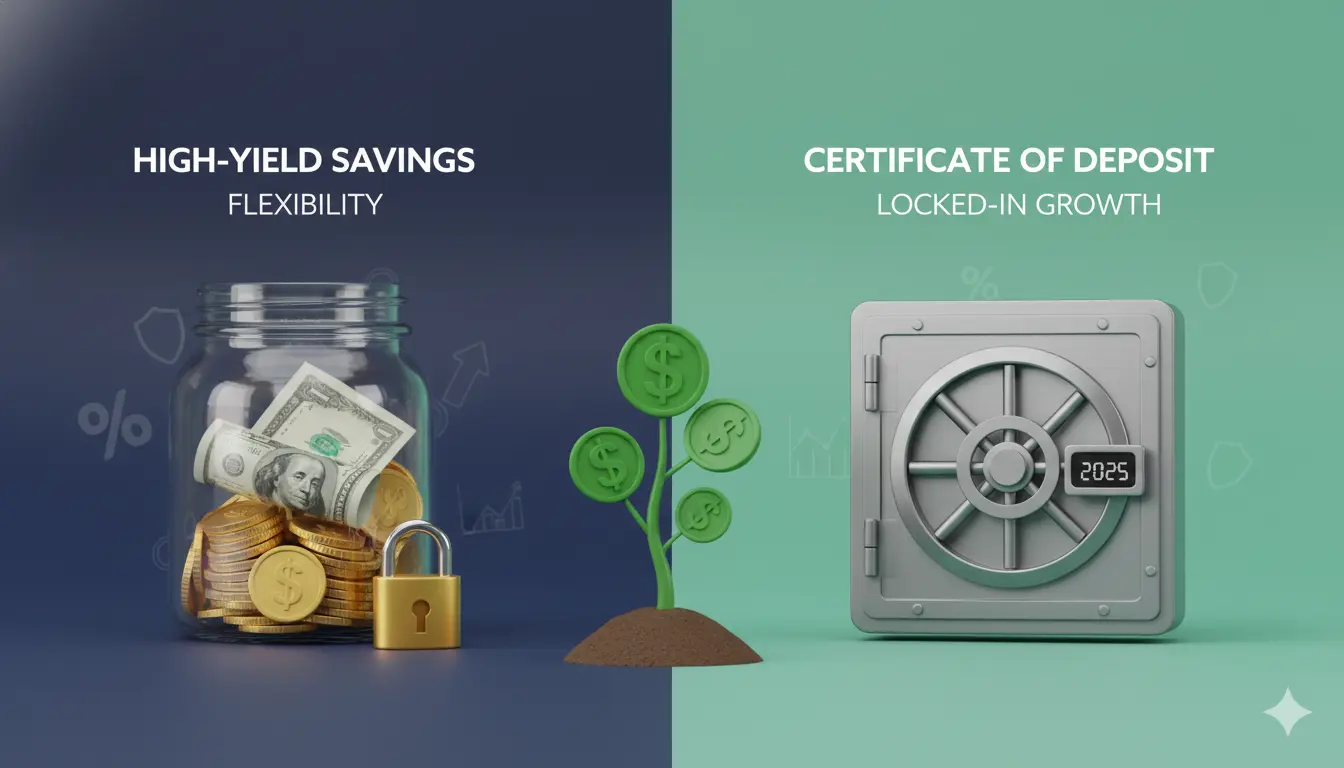
To make the best decision, it helps to look at the three main categories of options available to you:
- The Big Traditional Banks: These are banks like Bank of America or Chase. They have physical branches and ATMs everywhere, which is great for access. However, their interest rates are terrible (often near zero). Apple beats them easily on interest, but loses on physical customer service.
- High-Yield Online Banks: These are banks like Ally, SoFi, or Marcus. They offer interest rates that are usually equal to or higher than Apple’s. They do not require you to have a specific phone or credit card. They are the best option for "maximizers" who want the most money possible and freedom of choice.
- The Apple Savings Account: This sits in the middle. It offers a very good interest rate (though not the absolute best) and incredible convenience, but it comes with strict requirements. It is the best option for "optimizers"—people who want saving to be easy and automatic, and who are already happy using an iPhone.
Conclusion
The Apple Card Savings account is a strong product, but it is not a magic solution for everyone.
If you are a loyal Apple user who already has the Apple Card, opening this account is a "smart move." It takes the cash back you are earning anyway and puts it to work, earning interest without you having to lift a finger. The integration with the iPhone is seamless, and the lack of fees makes it a low-risk place to store your emergency fund.
However, if you are looking for the highest possible return on your investment, or if you prefer the flexibility of being able to switch phone brands, you should look elsewhere. There are many other banks that offer higher interest rates and better web access without forcing you to apply for a credit card first.
Ultimately, the best savings account is the one you actually use. If having the account on your iPhone motivates you to save more money, then Apple’s offering is worth it, even if the interest rate is slightly lower than a competitor’s. But be aware that by signing up, you are planting yourself firmly in Apple’s garden, and it might be difficult to leave later.