As Stranger Things Ends, Its Influence on the Dungeons & Dragons Comeback Continues
When Stranger Things first arrived on Netflix in 2016, nobody expected it to change pop culture the way it did. Fans fell in love with the story of a small town, a mysterious world called the Upside Down, and a group of kids who used their imagination, bravery, and teamwork to face impossible dangers.
But something else happened, too — something almost nobody predicted. The show brought Dungeons & Dragons (D&D) back into the spotlight and helped create a huge worldwide comeback for the famous tabletop role-playing game.
Now that Stranger Things is ending, many people wonder whether the D&D boom will fade. But the opposite is happening. The interest, excitement, and community around the game are stronger than ever, thanks in large part to the show’s long-lasting influence.
This article explains exactly how Stranger Things helped revive D&D, why the game is more popular than ever, and what this means for the future.
How Stranger Things Helped Bring D&D Back
Before Stranger Things became a hit, Dungeons & Dragons was growing slowly. Some people loved it, but it still had the old stereotype of being “nerdy” or “too complicated.” Many who had never played didn’t know where to start.
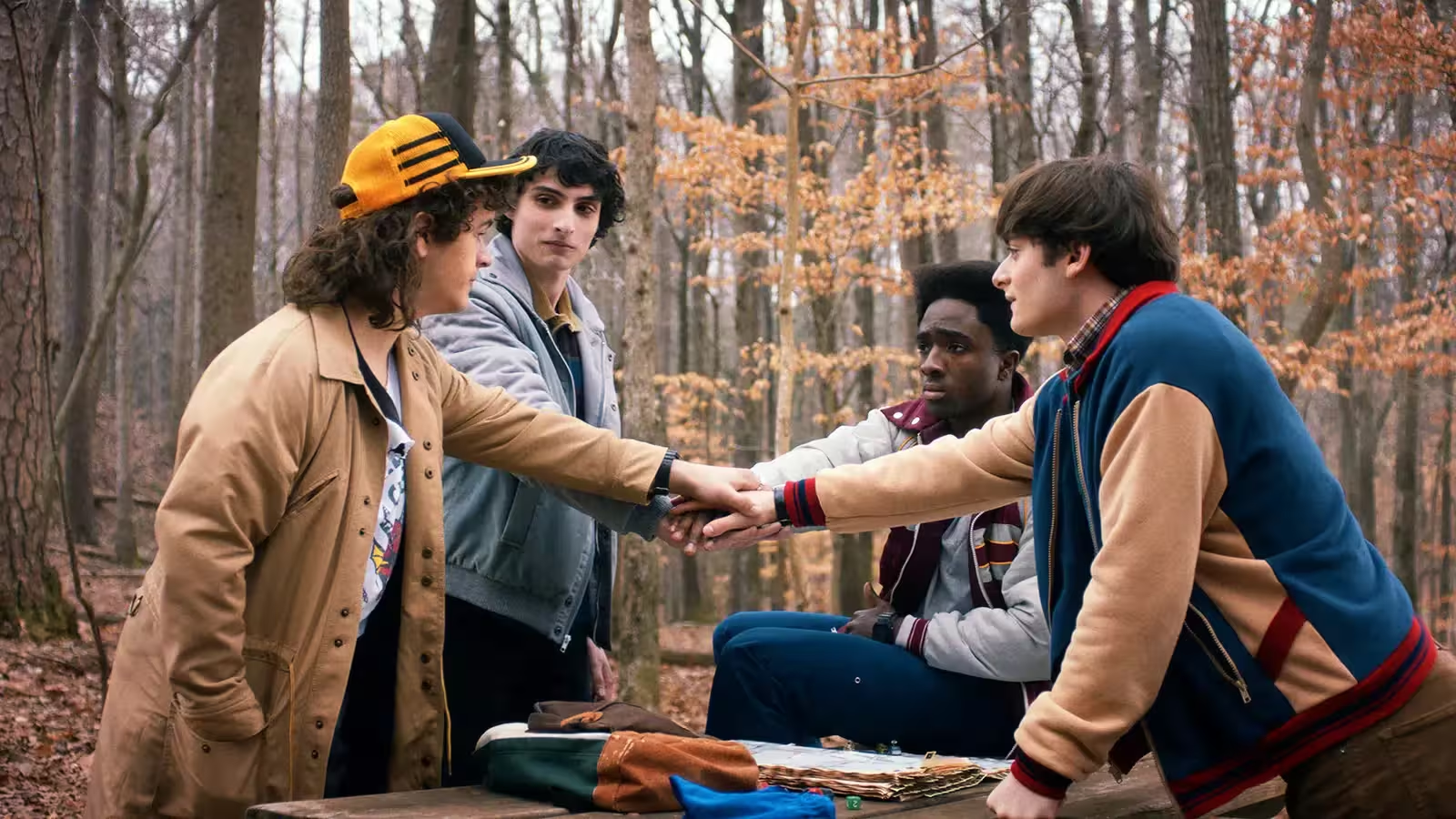
When the show introduced a group of kids playing D&D in a basement — laughing, arguing, rolling dice, and escaping into an adventure — it made the game look fun, social, and creative. Suddenly, millions of viewers were curious about it.
One of the biggest reasons the show worked so well is because it treated the game with respect. The writers didn’t use D&D as a joke. They used it as a key part of the story and the kids’ friendship. The game felt real and important to the characters, especially in the early seasons. And because the kids cared about it, the audience did too.
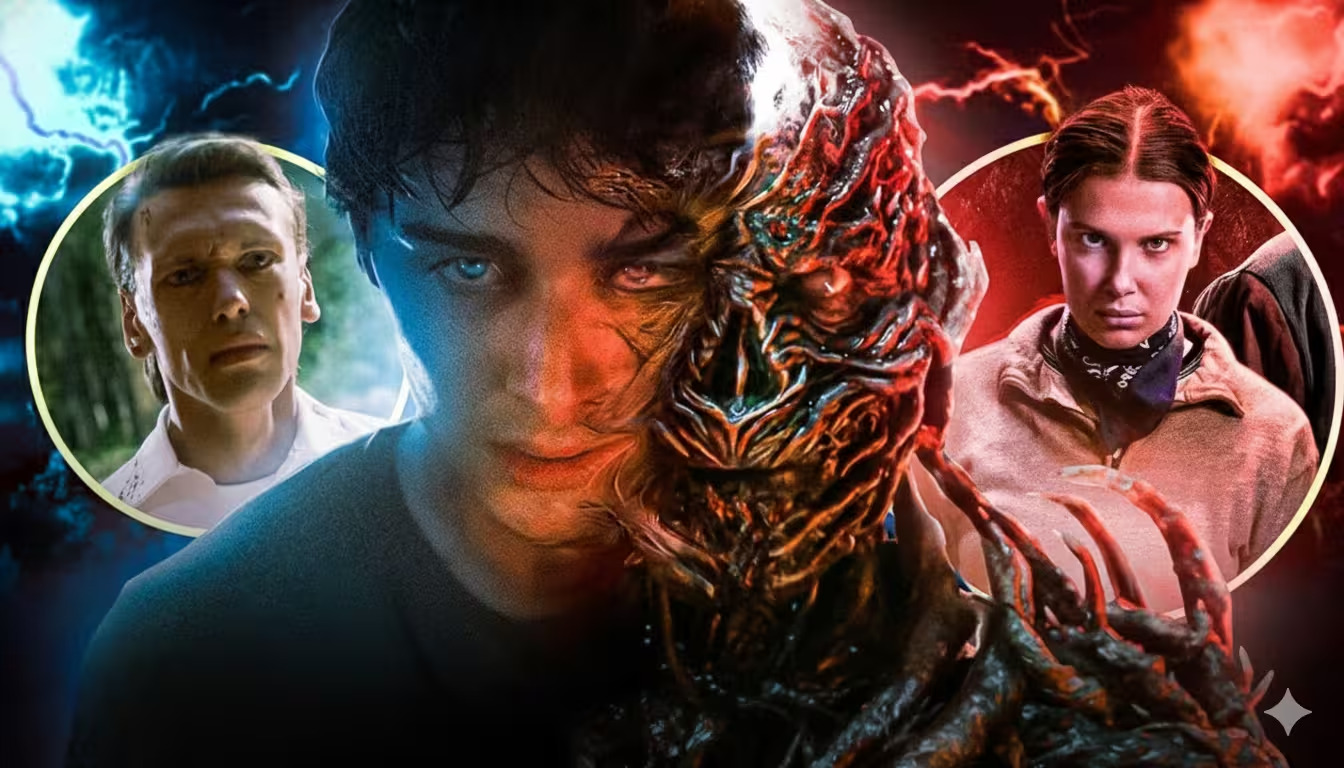
Another smart choice the creators made was using D&D ideas inside the story. Monsters like the Demogorgon, the Mind Flayer, and Vecna came from the game. The kids used D&D terms to understand the strange things happening in Hawkins. This made the fantasy world of D&D feel connected to the mystery of the Upside Down, and it helped viewers understand the threat before the characters even saw it.
Seeing the kids explain monsters or dangers through D&D made fans want to learn about the game themselves. It became a natural bridge between imagination and the show’s real action.
The Show Made D&D Feel Modern Again
Although D&D was created in the 1970s, Stranger Things made it feel new and exciting.
Many viewers — especially teenagers — had never seen a tabletop role-playing game before. They were used to video games, but not a game where you tell stories, create characters, and use your imagination instead of a screen. Stranger Things showed that playing in person can be even more fun, because the adventure depends on creativity and teamwork.
The show also came out during a time when a lot of people were looking for more face-to-face, social hobbies. They wanted to disconnect from their phones and reconnect with friends. D&D was perfect for that.
The nostalgic 1980s setting helped too. The music, clothes, bikes, and old-school style made viewers curious about what hobbies kids had back then. The more they watched the Hawkins crew play, the more they wanted to try it themselves.
The Real-World D&D Boom Begins
After the first season dropped, Google searches for “How to play D&D” exploded. People of all ages — teens, adults, families — wanted to learn. Tabletop game shops saw more customers than they had in years. Many even started running beginner events for fans who discovered the game through the show.
To make things easier, the makers of D&D released official Stranger Things products, including a starter set called Stranger Things: Welcome to the Hellfire Club. This box included a simple adventure, ready-to-play characters, and artwork that looked like a classic 1980s D&D book. It was designed so that anyone — even people who had never touched a role-playing game — could jump in and start playing within minutes.
This product was a huge success because it connected the world of the show with the world of tabletop gaming. For many, it was their first D&D experience.
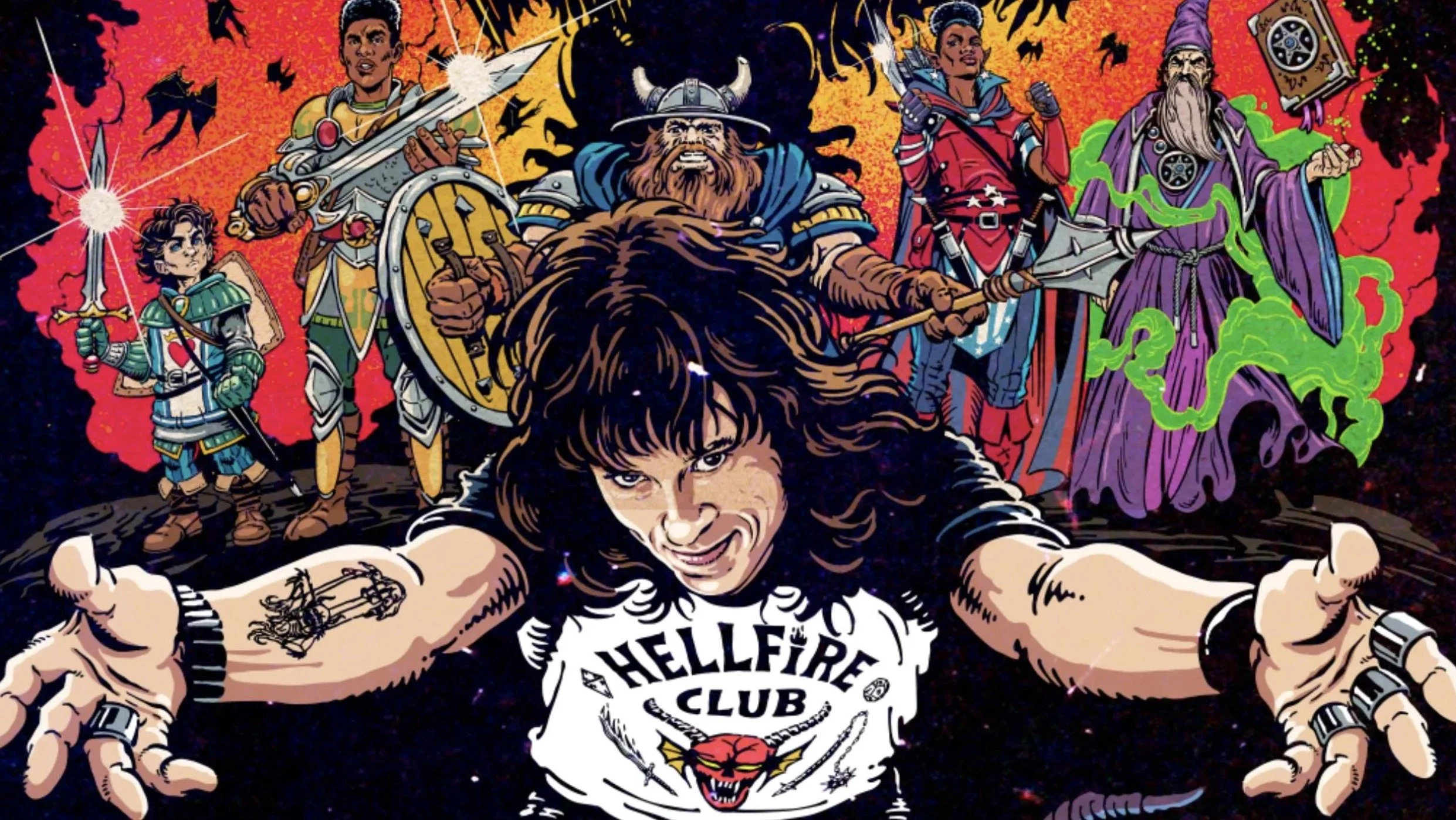
Soon after, more teens and kids started forming their own “Hellfire Clubs,” just like in the show’s fourth season. Schools, libraries, and youth groups started hosting their own campaigns. D&D was no longer something only adults played — it had become a major trend among younger fans.
Why the Renaissance Isn’t Slowing Down
Even though Stranger Things is ending, the interest in D&D is stronger than ever. Part of this is because the show created a long-lasting emotional connection between viewers and the game. The bond the characters had at the table reminded many people of their own friendships or made them want to build similar memories.
Another reason the renaissance continues is the growth of actual-play shows, where people watch others play D&D as entertainment. These shows — such as Critical Role, Dimension 20, and The Adventure Zone — became extremely popular. If Stranger Things introduced people to the idea of tabletop gaming, these actual-play series showed them what a real gaming session looks like, and how fun and dramatic it can be.
Meanwhile, the creators of D&D have been updating the game to make it even easier for beginners. They’ve simplified some rules, created more digital tools, and released adventures that appeal to modern players. All of these changes have made the game more welcoming, especially to younger fans.
Many game stores and community centers have also grown their D&D groups. Some host weekly sessions, run campaigns for kids, or organize special themed nights. The hobby has become mainstream in a way no one thought possible.
The Emotional Bond Between D&D and the Show
A big part of the continuing excitement comes from the emotional story the show told about friendship, imagination, and growing up. D&D was a symbol of childhood for the Hawkins kids. It was something they returned to during moments of fear, change, or trouble. When fans watched those scenes, they understood that the game represented more than dice and fantasy — it represented trust, loyalty, and the power of storytelling.
Fans still feel that connection today. Even if they start playing D&D years after the final season of Stranger Things, they go into the game with that sense of imagination and adventure in mind.
Many fans also recognized that the characters in Stranger Things fit the roles of a classic D&D party — the brave leader, the strategist, the spellcaster, the fighter, the outsider. This made the connection between the show and the game feel natural and unforgettable.
What Happens to D&D After the Show Ends?
The end of the series does not mean the end of the D&D boom. In fact, it opens the door for new developments.
New fans will continue discovering the show, just as people still discover older classics. When they see the D&D scenes, they’ll want to try the game themselves. That means the renaissance could continue for many years.
More products, spin-offs, and collaborations are likely to appear since the demand is so high. The game’s publishers understand how important Stranger Things has been, and they will keep releasing content that appeals to this generation of fans.
And because the game is now extremely popular in schools, clubs, and online communities, the number of players will keep growing even without the show’s help.
Conclusion: A Legacy That Lives On
As Stranger Things ends, one thing is certain: its biggest legacy may not be the monsters, the mysteries, or the supernatural twists — but the way it revived Dungeons & Dragons for a whole new generation.
The show made D&D exciting, emotional, and meaningful. It made the game easy to understand and inspired millions of people to try it. That influence is still growing, and it will continue long after the final episode.
Thanks to Stranger Things, countless players now gather around tables — in basements, classrooms, and game shops — ready to create adventures of their own. The Upside Down story may be finished, but the world of D&D is more alive than ever.